

Digital technology has fundamentally reshaped how we conceive and construct modern buildings. Facades are no longer static surfaces they communicate, adapt, and interact with their surroundings in ways that were unimaginable a decade ago.
Among the most compelling innovations driving this shift are LED transparent displays, which allow architects to merge dynamic visual content with the built environment without sacrificing natural light or architectural integrity.
These displays transform glass surfaces into vibrant media canvases while preserving the transparency that defines contemporary design. However, integrating such technology presents real challenges: ensuring durability against weather exposure, managing structural loads, maintaining design coherence, and simplifying long-term maintenance.
How can architects effectively incorporate LED transparent displays into their projects without compromising on performance or aesthetics? This article addresses that question directly, offering practical steps covering technical specifications, selection criteria, integration methods, and real-world applications that help design professionals navigate the process from concept through completion.
Table of Contents
Understanding LED Transparent Displays in Architectural Context
LED transparent displays consist of thin LED strips mounted on a mesh or grid structure, allowing light and air to pass through while producing vivid digital imagery. Unlike conventional LED screens that block views entirely, these displays achieve transparency rates between 60% and 90%, making them virtually invisible when powered off and strikingly dynamic when activated.
The LED strips are typically bonded to glass panels or suspended within curtain wall systems, with pixel pitch varying based on viewing distance and content requirements.
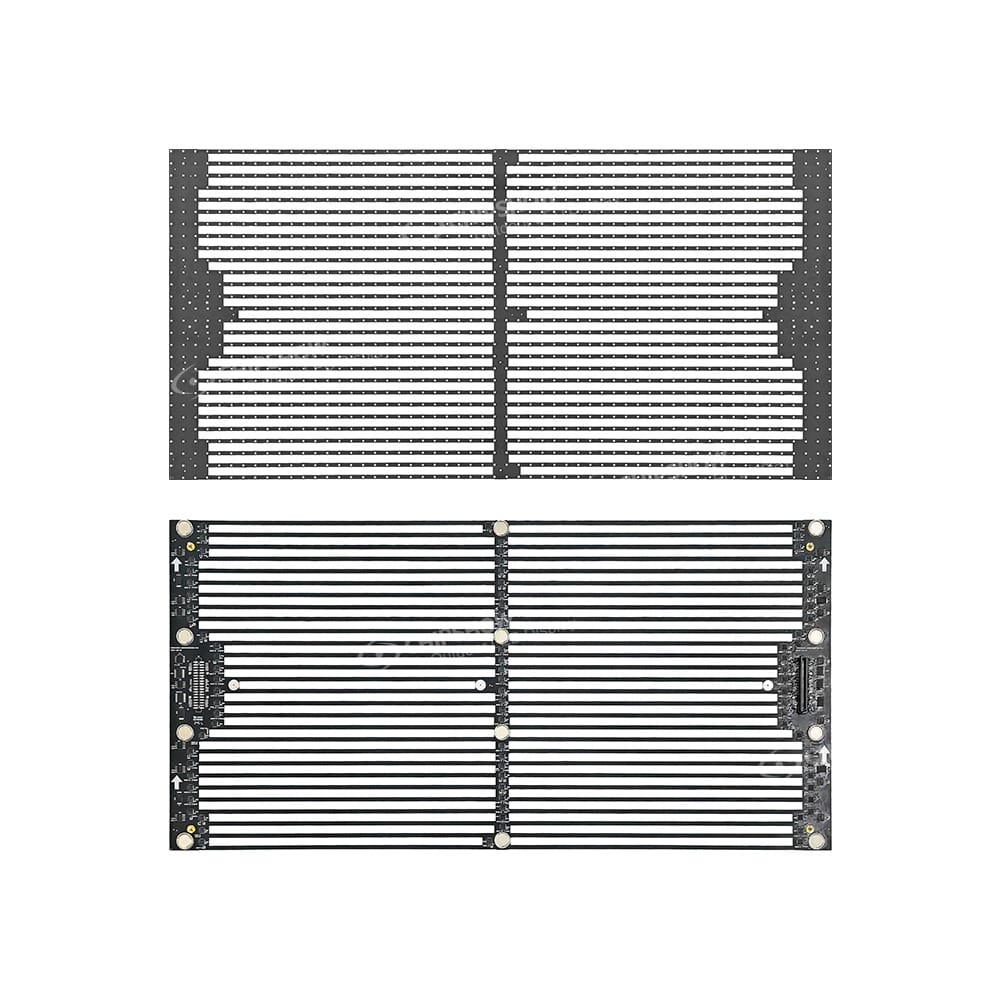
For architects, the appeal is multifaceted. These displays preserve the natural light flow that occupants depend on, eliminating the trade-off between digital communication and daylighting strategies. A glass facade equipped with transparent LEDs can showcase branded content, wayfinding information, or artistic animations during evening hours while functioning as a conventional window during the day.
This dual functionality makes them particularly valuable in commercial towers, retail storefronts, transportation hubs, and cultural institutions where visual engagement matters as much as spatial quality.
The growing adoption reflects a broader industry shift toward responsive architecture. Designers no longer view building envelopes as passive barriers; they treat them as programmable interfaces capable of responding to time, weather, events, or user interaction.
Transparent LED technology enables this responsiveness without the bulk, opacity, or aesthetic disruption associated with traditional digital signage. Early iterations of building-integrated displays required heavy mounting hardware and sacrificed significant transparency. Current solutions are dramatically thinner, lighter, and more optically refined—bridging the gap between digital media and architectural materiality in ways that feel intentional rather than imposed.
This evolution positions transparent LEDs not as add-on gadgets but as legitimate building materials worthy of specification alongside glass, steel, and stone.
Essential Technical Specifications for Architects
Selecting the right LED transparent display for a building project requires understanding the technical specifications that directly affect performance, longevity, and design compatibility. Architects must evaluate these parameters not in isolation but in relation to site-specific conditions—climate exposure, structural capacity, viewing angles, and maintenance accessibility all influence which specifications matter most for a given project.
IP65 Rated LED Display: Ensuring All-Weather Durability
The IP65 rating indicates complete protection against dust ingress and resistance to low-pressure water jets from any direction. For exterior facade installations, this rating is non-negotiable. Rain, humidity, wind-driven particulates, and temperature fluctuations will degrade unprotected electronics within months.
When specifying displays for outdoor or semi-exposed applications—such as canopied atriums or ventilated double-skin facades—architects should verify that both the LED modules and their connectors carry IP65 certification.
Beyond the rating itself, consider the sealing methods used: silicone gaskets and conformal coatings on circuit boards provide additional insurance against condensation in climates with dramatic temperature swings. Selecting IP65-rated units from the outset eliminates costly retrofitting and ensures the display performs reliably across seasons without protective enclosures that would compromise transparency.
Lightweight LED Display: Facilitating Structural Integration
Weight directly determines how a transparent display can be mounted and what structural reinforcement the building requires. Current lightweight LED panels weigh as little as 8 to 12 kilograms per square meter—comparable to a layer of laminated glass. This minimal load allows architects to integrate displays into existing curtain wall mullions, suspended ceiling grids, or cantilevered canopy structures without redesigning the primary structural system.
Lightweight construction also simplifies logistics during installation, reducing crane time and enabling manual handling in confined spaces. When evaluating options, architects should request load-per-square-meter data and cross-reference it with the glazing system’s dead load capacity. Choosing lighter panels preserves design flexibility, allowing larger display areas without triggering structural upgrades that inflate budgets and timelines.
High Brightness LED Display: Optimizing Visibility in Various Lighting
Brightness, measured in nits, determines whether content remains legible under direct sunlight or washes out against competing ambient light. Exterior-facing transparent displays typically require 5,000 to 6,000 nits for daytime readability, while interior applications in well-lit lobbies may perform adequately at 2,000 to 3,000 nits. Specifying excessive brightness wastes energy and generates unnecessary heat, so architects should match output to actual conditions.
Automatic brightness sensors that adjust output based on ambient light levels offer an effective balance—content stays visible at noon without overwhelming pedestrians after dark. When integrating high-brightness panels into south- or west-facing facades, consider thermal management implications: brighter LEDs produce more heat, which affects both the display’s lifespan and the adjacent glazing system’s thermal performance.
Plug-and-Play LED Display: Simplifying Installation and Maintenance
Plug-and-play architecture means individual display modules connect through standardized quick-release connectors for both power and data, eliminating custom wiring at the installation site. For architects managing complex project schedules, this feature compresses installation timelines significantly—modules slot into pre-mounted rails and self-register with the control system without specialized programming on-site. Equally important is the maintenance advantage: a failed module can be swapped by a single technician in minutes without dismantling surrounding panels or interrupting the rest of the display.
This modularity should influence how architects detail access points in their facade designs. Specify removable interior trim panels or accessible maintenance catwalks behind the display plane so that future servicing doesn’t require scaffolding or building closures. The upfront investment in plug-and-play compatibility pays dividends across the building’s operational life.
A Step-by-Step Guide to Incorporating LED Transparent Displays
Step 1: Assessing Design Goals and Site Conditions
Begin by defining what the display must accomplish—branding, wayfinding, artistic expression, or revenue-generating advertising. Then conduct a thorough site analysis: measure facade orientation and solar exposure, document wind loads and rainfall patterns, assess viewing distances from primary pedestrian and vehicular sightlines, and confirm the structural capacity of the intended mounting surface. Evaluate interior daylighting requirements to determine acceptable transparency thresholds.
This foundational assessment prevents mismatches between display capability and project reality, ensuring every subsequent decision aligns with both the architectural vision and the physical constraints of the site.
Step 2: Selecting the Right LED Transparent Display Based on Specifications
With site data in hand, map each condition to a corresponding specification. Exposed facades demand IP65-rated units; weight-sensitive curtain walls call for panels under 10 kilograms per square meter; sun-drenched orientations require brightness above 5,000 nits with automatic dimming. Pixel pitch selection depends on the closest expected viewing distance—tighter pitches for street-level retail, wider pitches for high-rise facades viewed from afar.
Manufacturers such as Chipshow offer product lines spanning multiple pixel pitches and transparency levels, enabling architects to match specific facade requirements without compromising on durability or visual performance. Build a decision matrix that ranks candidates against your project’s non-negotiable criteria first, then evaluates secondary preferences like color gamut and refresh rate to narrow the final selection.
Step 3: Integrating Displays into Architectural Plans and Structures
Embed the display geometry into BIM models early, coordinating with structural engineers on mounting brackets, load paths, and thermal expansion tolerances. Detail cable routing for power and data within mullion channels or raised floor voids to keep wiring invisible.
Collaborate with facade consultants to confirm that adding LED strips does not compromise the glazing system’s thermal or acoustic performance. Specify maintenance access—whether through interior hinged panels, exterior gondola tracks, or catwalk zones—so servicing remains feasible without disruptive scaffolding after occupancy begins.
Step 4: Installation, Calibration, and Ongoing Maintenance
Leverage plug-and-play modularity to accelerate on-site assembly: pre-mounted rail systems receive display modules sequentially, with quick-lock connectors eliminating field wiring. After physical installation, calibrate brightness uniformity and color consistency across the entire array using factory-provided software tools. Establish a maintenance schedule that includes quarterly visual inspections, annual connector checks, and firmware updates.
Train facility management staff on module replacement procedures so that a single failed panel can be swapped within minutes, keeping the display operational year-round without specialist intervention.
Case Studies and Real-World Applications
Several landmark projects demonstrate how these principles translate into built reality. A major international airport integrated transparent LED panels across its terminal curtain wall, using IP65-rated lightweight modules mounted within existing mullion channels to display real-time flight information and wayfinding graphics without blocking runway views.
The design team selected a wide pixel pitch suited to long viewing distances and specified automatic brightness adjustment to handle the facade’s full-sun western exposure. A luxury retail flagship in a dense urban core took a different approach, installing high-brightness transparent displays across street-level glazing that transformed storefronts into animated showcases after business hours while maintaining complete visual openness during the day.
Plug-and-play modularity proved critical during a cultural center renovation where installation windows were limited to overnight shifts—crews mounted an entire three-story display array in under a week. Across these projects, the common lesson is clear: early coordination between architects, structural engineers, and display specialists prevents costly redesigns and ensures the technology enhances rather than disrupts the architectural intent.
Building the Future of Responsive Facade Design
LED transparent displays represent a genuine evolution in how architects approach building envelopes—transforming passive glass surfaces into dynamic communication layers without sacrificing the transparency, daylighting, and visual openness that define contemporary design.
Successfully incorporating these displays demands attention to technical specifications that directly affect real-world performance: IP65 ratings ensure reliability across seasons and climates, lightweight construction preserves structural efficiency, high brightness guarantees content legibility under demanding solar conditions, and plug-and-play modularity streamlines both initial installation and decades of ongoing maintenance.
The step-by-step process outlined here—from early site assessment and specification matching through BIM integration and calibrated installation—gives architects a repeatable framework for embedding this technology confidently into projects of any scale.
What matters most is early coordination: involving display specialists alongside structural and facade consultants from the schematic phase prevents conflicts that become expensive to resolve later. As display technology continues advancing toward thinner profiles, higher transparency, and lower energy consumption, the boundary between digital media and architectural materiality will only blur further.
Architects who develop fluency with these systems now position themselves to lead the next generation of responsive, intelligent building design.

Pradeep Sharma is a author the mind behind Techjustify, where I craft insightful blogs on technology, digital tools, gaming, AI, and beyond. With years of experience in digital marketing and a passion for tech innovation, I aim to simplify complex topics for readers worldwide.
My mission is to empower individuals with practical knowledge and up-to-date insights, helping them make informed decisions in the ever-evolving digital landscape.