

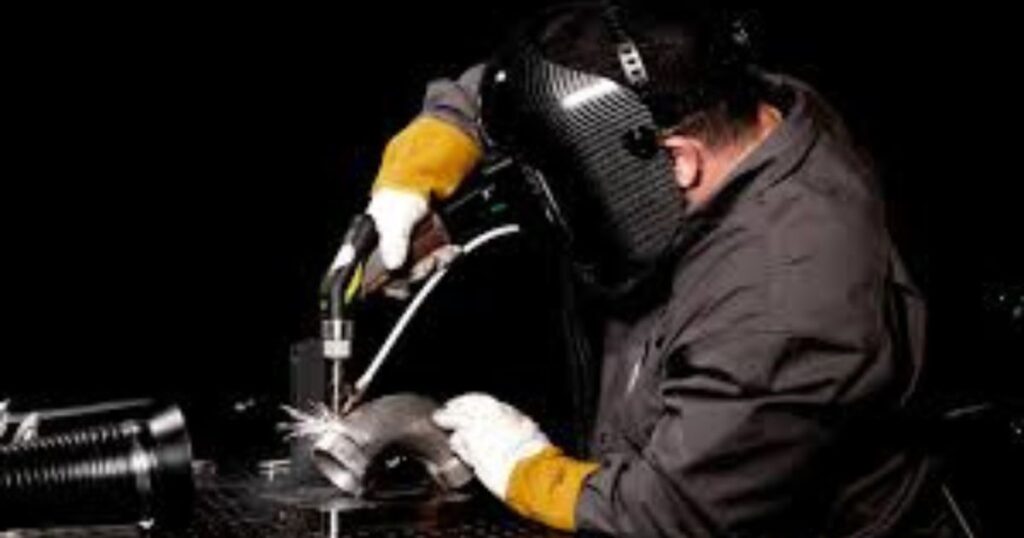
In many industries, fieldwork requires fast, precise, and reliable welding solutions that can adapt to unpredictable environments. From construction sites and repair facilities to remote industrial locations, teams often struggle with limited space, unstable surfaces, and varying material conditions. Traditional welding tools aren’t always practical in these situations, which is why handheld laser welding has gained so much attention.
With its mobility, precision, and low heat distortion, handheld laser welding has become a valuable solution for on-site repairs and installations. But using this tool effectively in field settings takes more than basic welding knowledge; it requires careful setup, environmental awareness, and best practices.
In the following guide, you’ll learn how to approach field welding with confidence, understand what makes a laser welding machine so effective in challenging environments, and implement techniques that improve both safety and results.
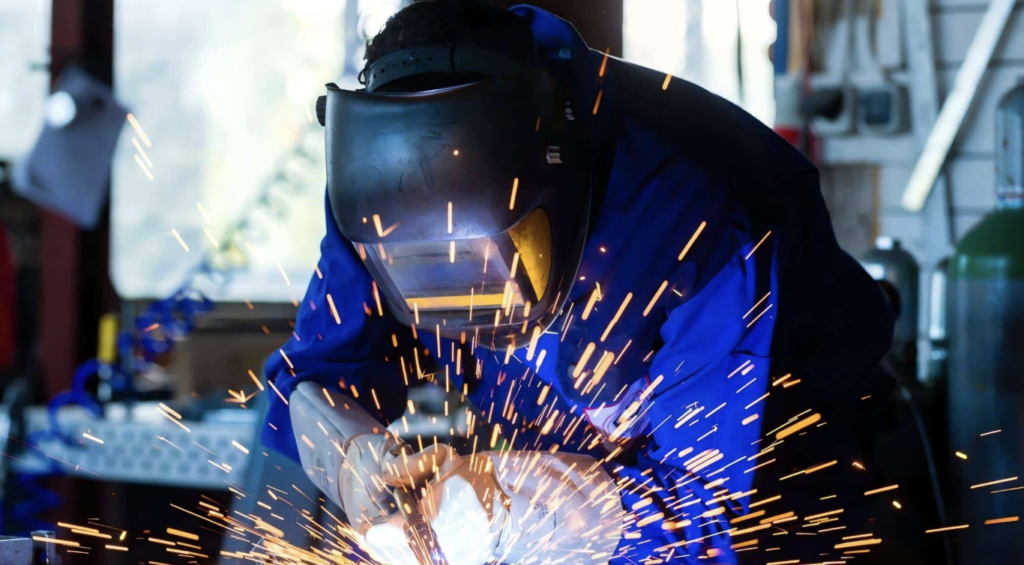
Table of Contents
Why Field Technicians Choose Handheld Laser Welding
Fieldwork environments vary widely, which creates several common pain points:
- Inconsistent working surfaces that make positioning difficult
- Exposure to wind, dust, and moisture can affect weld quality
- Tight or awkward spaces where traditional welding equipment won’t fit
A handheld laser welding machine helps address these challenges by offering high precision and fast processing speeds while maintaining a small heat-affected zone. This allows you to weld thin metals or delicate components with minimal distortion, even outside controlled factory environments.
Preparing the Work Area for Field Welding
Preparation is one of the most crucial steps when welding in the field. Since environmental conditions can change quickly, you need a repeatable setup routine.
Clear and Secure the Workspace
Even in outdoor or constrained environments, removing obstacles and ensuring safe footing helps maintain stability during handheld welding.
Reduce Environmental Interference
- Use wind shields when outdoors
- Keep dust and moisture away from the lens and workpiece
- Control the lighting so you can see the weld clearly
According to the American Welding Society, wind speeds above 5 mph can disrupt shielding gas flow in traditional welding, while laser welding offers more resilience; it still benefits from controlled conditions.
Inspect the Material Surface
Clean the workpiece to remove:
- Rust
- Paint
- Oil
- Oxides
A clean surface ensures better penetration and avoids weld porosity.
Choosing the Right Settings on a Handheld Laser Welding Machine
Selecting the proper settings is essential for achieving consistent, high-quality welds in the field.
Adjust Power Level Based on Thickness
- Thinner metals → lower power
- Thicker metals → higher power
Because field materials vary, always perform a quick test bead when possible.
Optimize Welding Speed
Handheld lasers allow for faster passes than traditional MIG/TIG, but uneven movements can cause:
- Over-penetration
- Under-penetration
- Irregular weld beads
Aim for a smooth, continuous motion.
Choose the Right Nozzle and Shielding Gas
Different nozzle shapes help guide laser focus and gas flow. Argon is commonly used to improve weld stability and prevent oxidation.
Positioning, Technique, and Ergonomics in Field Environments
Handheld welding requires strong technique, especially when working in unpredictable conditions.
Maintain Proper Stand-Off Distance
A consistent distance between the workpiece and the nozzle ensures:
- Stable penetration
- Uniform bead width
- Cleaner weld appearance
Accidental contact can damage the lens or cause defects.
Stabilize Your Hands and Body
Use nearby surfaces to brace your hands whenever possible. In tight or overhead areas, proper posture reduces fatigue and keeps welds consistent.
Move in a Controlled Motion
Even though handheld lasers move quickly, rushing can create uneven heat distribution. Focus on controlled, confident movements.
Managing Heat, Distortion, and Material Limitations
Laser welding is known for its small heat-affected zone, but outdoor or unstable conditions can still contribute to distortion.
Use Clamp Fixtures When Possible
Clamping reduces shifting and warping, especially on thin metals or long seams.
Work in Short Segments
Segmented welding helps maintain control while preventing overheating.
Understand Material Behaviors
Different metals react differently:
| Material | Notes for Field Laser Welding |
| Stainless Steel | Highly compatible, minimal distortion |
| Aluminum | Requires stable gas flow and proper power levels |
| Carbon Steel | Very responsive but may require more prep |
| Titanium | Needs careful shielding to prevent contamination |
Knowledge of material responses allows you to adjust settings confidently.
Safety Best Practices for Field Laser Welding
Safety becomes even more important when welding outside a controlled environment.
Wear Appropriate Laser-Rated PPE
Standard welding gear is not enough. Operators should use:
- Laser-rated eyewear
- Protective gloves
- Flame-resistant clothing
Establish a Safety Perimeter
Since laser beams reflect differently than traditional arcs, proper distance and signage protect others working nearby.
Inspect Equipment Before Use
In field settings, equipment is exposed to vibration, dust, and accidental impacts. Regular checks ensure:
- Lens clarity
- Cable integrity
- Proper cooling function
When working in field environments, having reliable equipment is essential for safety and consistent results. Many technicians turn to trusted tools like those offered by Denaliweld, which provides durable welding systems built to perform in both controlled facilities and remote job sites.
Conclusion
Handheld laser welding offers a powerful combination of mobility, speed, and precision, making it an excellent solution for field technicians across many industries. By preparing the environment properly, selecting the right settings, mastering stable technique, and following strict safety procedures, you can achieve clean, strong welds even in challenging outdoor or on-site conditions.
As fieldwork becomes more common and equipment continues to advance, using the right laser welding machine can help you stay efficient, consistent, and confident on any job site.
When you understand how to manage environmental factors and apply best practices, handheld laser welding becomes not only practical but transformative for your on site operations.

Pradeep Sharma is a author the mind behind Techjustify, where I craft insightful blogs on technology, digital tools, gaming, AI, and beyond. With years of experience in digital marketing and a passion for tech innovation, I aim to simplify complex topics for readers worldwide.
My mission is to empower individuals with practical knowledge and up-to-date insights, helping them make informed decisions in the ever-evolving digital landscape.