

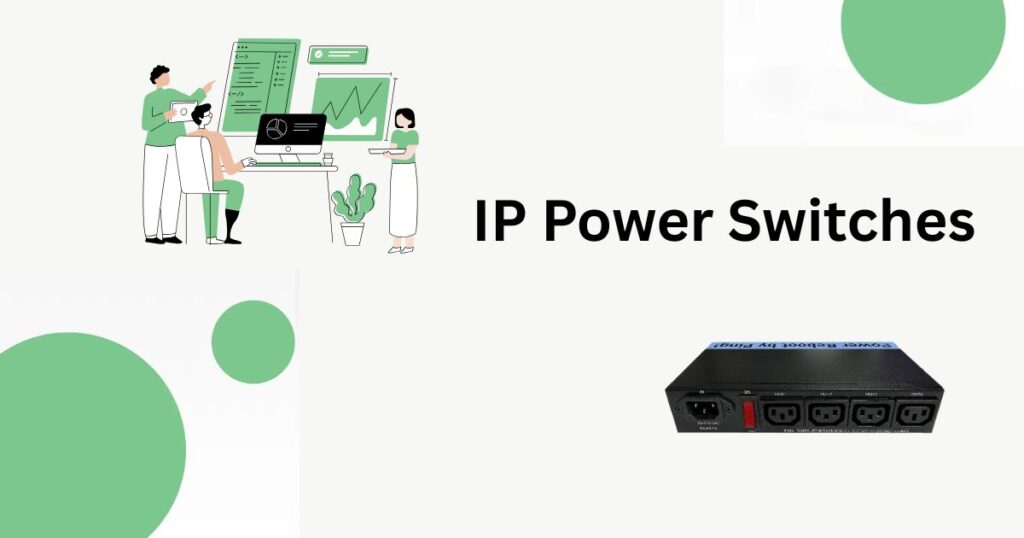
As the complexity of network infrastructures increases, managing and maintaining these systems can become quite arduous. One key to simplifying this process is integrating IP power switches. These innovative devices enable administrators to remotely control power distribution and network equipment. In the current era where uptime and reliability are paramount, IP power switches provide an essential tool for network automation. Below, we will explore the significance, benefits, and practical tips for incorporating these switches into your network management strategy.
Table of Contents
Understanding IP Power Switches and Their Role in Network Automation
IP power switches, also known as remote power switches, are devices designed to remotely control the power supply to network equipment. They are critical to maintaining operational continuity by enabling remote device management, allowing power cycling, and scheduling without physical intervention. These switches play a pivotal role in network automation by executing predefined power tasks, making networks more resilient and responsive to issues.
Implementing IP switches can significantly reduce the need for on-site technical support, as most power-related issues can be resolved remotely. The adoption of these devices aligns with the trend toward virtualized and cloud-based environments, where remote access is a fundamental aspect of the infrastructure.
From a strategic standpoint, implementing IP power switches represents a commitment to proactive network management. By leveraging such devices, administrators can proactively address potential issues, reduce downtime, and optimize network performance by gaining greater control over the power state of network components.
The Benefits of Implementing IP Power Switches in Your Network Infrastructure
Using IP power switches can significantly improve network management efficiency. One of the primary benefits is the reduction in downtime. By enabling remote power cycling, problems that would otherwise require physical intervention can be resolved quickly, minimizing service interruptions and maintaining high availability of network resources.
Another advantage of IP power switches is their contribution to energy savings. By scheduling power-on/off times for equipment not in use, organizations can reduce energy consumption and operational costs. This also supports a greener, more sustainable approach to network management by reducing unnecessary power consumption.
Financially, the investment in IP power switches is often offset by reduced operational expenses. Fewer on-site technician dispatches and reduced downtime translate to both direct and indirect cost savings. Moreover, more effective power management can prolong hardware life by preventing overheating and overuse.
The improved disaster recovery and business continuity capabilities are also notable perks. IP power switches can be programmed to respond automatically to certain events, ensuring that critical systems remain operational even under adverse conditions. This reliability is invaluable for maintaining client trust and upholding service-level agreements.
Key Features To Look for in an IP Power Switch for Effective Network Management
Choosing the right IP power switch for your network is crucial. A key feature to consider is the number of outlets and their individual controllability. Enterprises with extensive networks might require switches with more outlets to accommodate all devices, while smaller networks may only need a few.
Another important aspect is the switch’s interface and ease of use. A user-friendly web interface and compatibility with existing network management systems are essential to enable quick configuration and seamless integration into your network’s workflow. Some switches also offer API access for more granular automation.
Security features are equally vital. Since IP power switches provide access to critical systems, ensuring secure communication through encryption and multi-factor authentication is mandatory to prevent unauthorized access. Advanced security protocols such as HTTPS, SSH, and SNMPv3 should be supported for added security.
The ability to monitor environmental conditions via connected sensors can also be incredibly beneficial. Features such as temperature and humidity sensors enable administrators to maintain optimal conditions for network equipment, preventing overheating or moisture-related issues.
How To Set Up and Configure IP Power Switches for Optimal Performance
Setting up and configuring IP power switches can be straightforward with proper preparation. Initially, you need to plan the network layout, determining where each switch should be placed for maximum efficiency and connectivity. Consider the reach of power cords and network cables to ensure proper placement without overextending or creating clutter.
Once installed, configuration typically involves connecting the switch to your network and accessing the web interface to customize settings. Assigning static IP addresses to each switch prevents network conflicts and simplifies management. From there, you can define power schedules, create user accounts, and configure alert notifications to ensure seamless operation.
IP power switches represent a smart investment for network automation, offering tangible benefits such as improved efficiency, energy savings, and enhanced reliability. When carefully selected, configured, and integrated, they become a cornerstone of a robust network infrastructure, ensuring sustained performance and scalability. Overall, these devices give network administrators greater control and peace of mind when managing complex systems.

Pradeep Sharma is a author the mind behind Techjustify, where I craft insightful blogs on technology, digital tools, gaming, AI, and beyond. With years of experience in digital marketing and a passion for tech innovation, I aim to simplify complex topics for readers worldwide.
My mission is to empower individuals with practical knowledge and up-to-date insights, helping them make informed decisions in the ever-evolving digital landscape.