

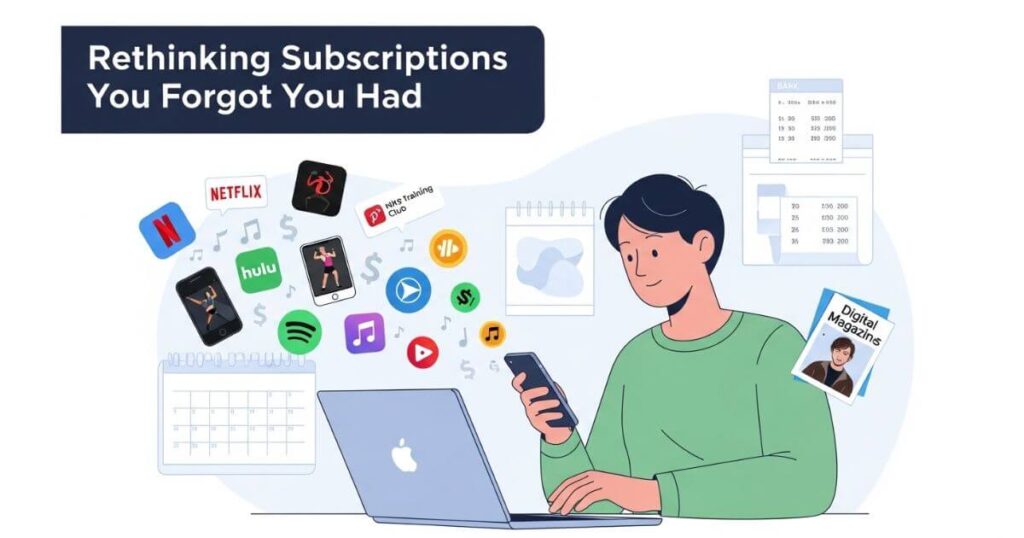
Rethinking Subscriptions – Most of us have been there you sign up for a free trial, promise yourself you’ll cancel, and before you know it, another monthly charge is sneaking its way out of your bank account. The reality is that forgotten subscriptions are a common issue, and while a few dollars here and there might not seem like much, they can add up to hundreds over the course of a year.
For people already juggling bills or working with the best debt consolidation companies to manage financial challenges, these forgotten expenses can feel like pouring water into a leaky bucket. The good news is, with a little awareness and intention, you can take back control.
Table of Contents
Why Subscriptions Pile Up So Easily
It’s not just a matter of poor memory. Subscriptions are designed to be easy to start and hard to stop. Companies bank on the fact that once you hand over your payment information, you’re likely to forget about it. Many services also renew automatically, sometimes with barely a reminder. Add in the convenience of app stores where a single click can sign you up, and it’s no wonder people find themselves paying for things they don’t even use.
The Psychology Behind Forgetting
There’s also a psychological factor at play. Small charges feel harmless, so they don’t trigger the same scrutiny as big purchases. Ten dollars here, fifteen there it’s easy to brush off as insignificant. But this sense of invisibility is exactly what makes subscriptions so dangerous. When these costs are scattered across multiple services, you may not notice the financial drain until you step back and look at the bigger picture.
Doing a Subscription Audit
The first step to rethinking forgotten subscriptions is conducting a subscription audit. Go through your bank statements and credit card bills for the last three to six months. Highlight every recurring charge and make a list. You might be surprised by what you find old fitness apps, niche streaming platforms, or a service you signed up for in college and haven’t used in years. Once you have the list, ask yourself which ones you genuinely use and which are simply taking up space in your budget.
Sorting Needs from Wants
Not every subscription is bad. Some genuinely add value to your life. Maybe you use a meal prep service that saves time during a busy week, or a meditation app that helps with your mental health. The key is to separate subscriptions that align with your priorities from those that just sit in the background. If you rarely use it or don’t even remember signing up, it’s time to cancel. Think of it as spring cleaning for your finances.
Exploring Alternatives
Before canceling, consider whether there are alternatives that might give you similar value at a lower cost. For example, if you’re paying for multiple streaming services but only use one regularly, combine or rotate them. If you subscribe to a workout app, see if there are free YouTube channels offering the same routines. Even magazines or professional memberships sometimes offer discounted group rates that you could take advantage of.
Redirecting the Savings
Here’s where rethinking subscriptions really pays off literally. Once you’ve freed up that extra money, you can put it toward things that matter more. Whether it’s building an emergency fund, paying down debt, or saving for a vacation, redirecting those funds can have a noticeable impact. For those tackling larger financial goals, like paying off credit cards, every dollar matters. Canceling just a handful of forgotten subscriptions could speed up your progress in a meaningful way.
Making It Easier to Stay on Top of Subscriptions
To prevent the problem from recurring, put systems in place. Set reminders on your calendar before free trials expire. Use budgeting apps that track subscriptions automatically and send alerts. You can also dedicate a separate card or account just for subscriptions, making it easier to see what you’re spending. The point isn’t just canceling today but avoiding the same cycle in the future.
Shifting Your Mindset Around Spending
Ultimately, rethinking subscriptions isn’t just about cutting costs—it’s about shifting your relationship with money. When you bring awareness to the small leaks in your budget, you start noticing how intentional choices add up over time. This mindset helps you resist impulse purchases and value long-term goals over short-term convenience. It’s a subtle but powerful way to regain control.
Final Thoughts
Subscriptions can be sneaky, but they don’t have to control your finances. By regularly auditing what you’re paying for, canceling what no longer serves you, and redirecting those dollars toward meaningful goals, you give yourself more freedom and flexibility.
It’s not about living without comfort or fun—it’s about making sure your money is working for you instead of quietly draining away. So take a moment, look at your accounts, and ask yourself: do these subscriptions reflect the life I want to build, or are they just background noise?

Lokesh Sharma is a digital marketer and SEO expert at TechJustify with a keen interest in emerging technology trends including AI, cybersecurity, and digital marketing tools for more than 5 years. He writes clear, actionable articles for tech enthusiasts and business leaders, simplifying complex topics like VPNs, automation, and generative AI.